

Dog-Friendly Places in South Jersey (And How to Actually Enjoy Them With Your Dog)
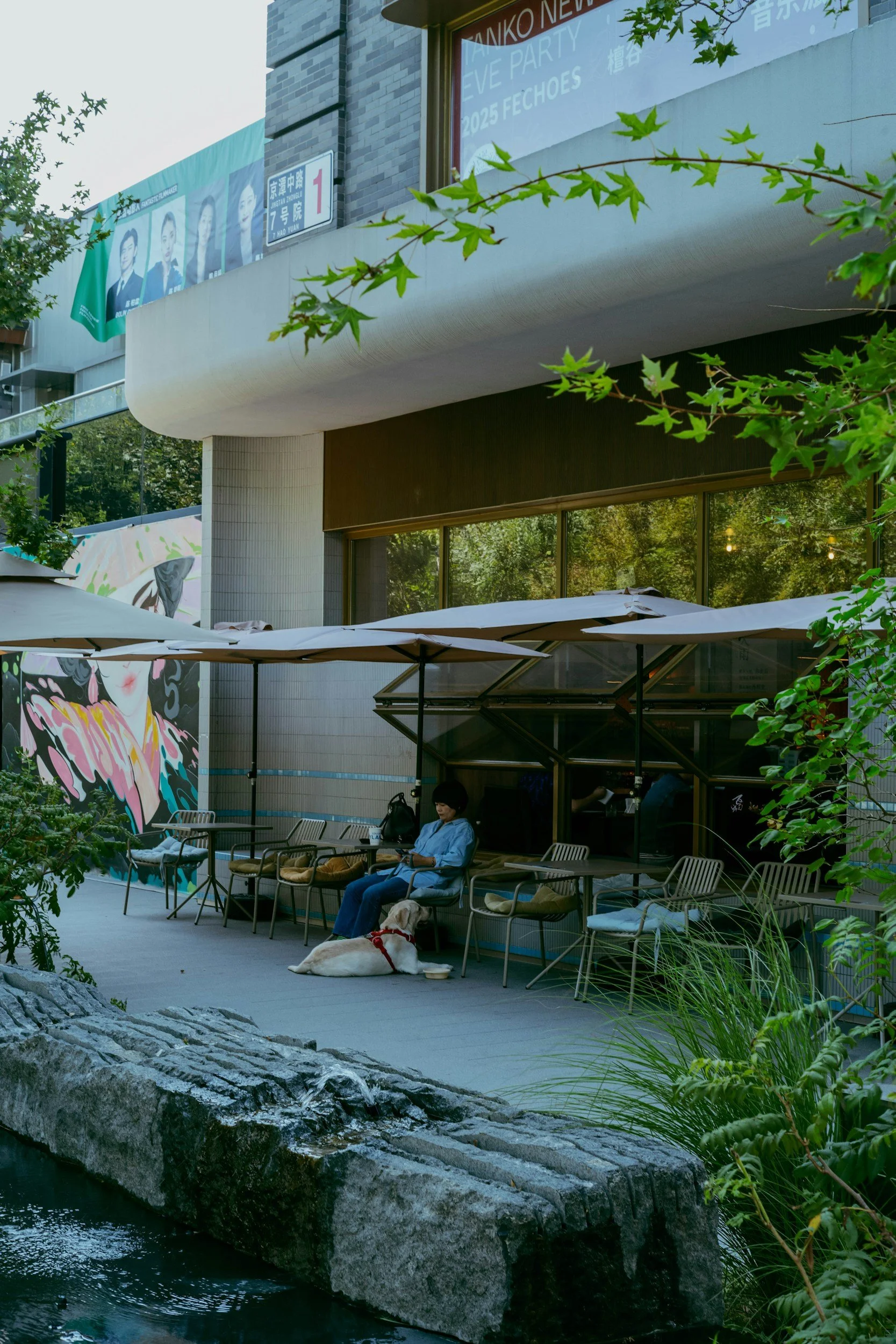
You want to get outside more.
Go for a walk, grab a drink, explore a new trail… and bring your dog with you.
But if we’re being honest, that’s not always easy.
Maybe your dog pulls the entire time.
Maybe they get overwhelmed around people or other dogs.
Or maybe every outing just feels like more work than it’s worth.
The good news is—most dogs aren’t “bad” in these situations.
They just haven’t learned how to handle the world yet.
Below are some of my favorite dog-friendly spots around South Jersey—plus a few tips to help you and your dog actually enjoy them together.
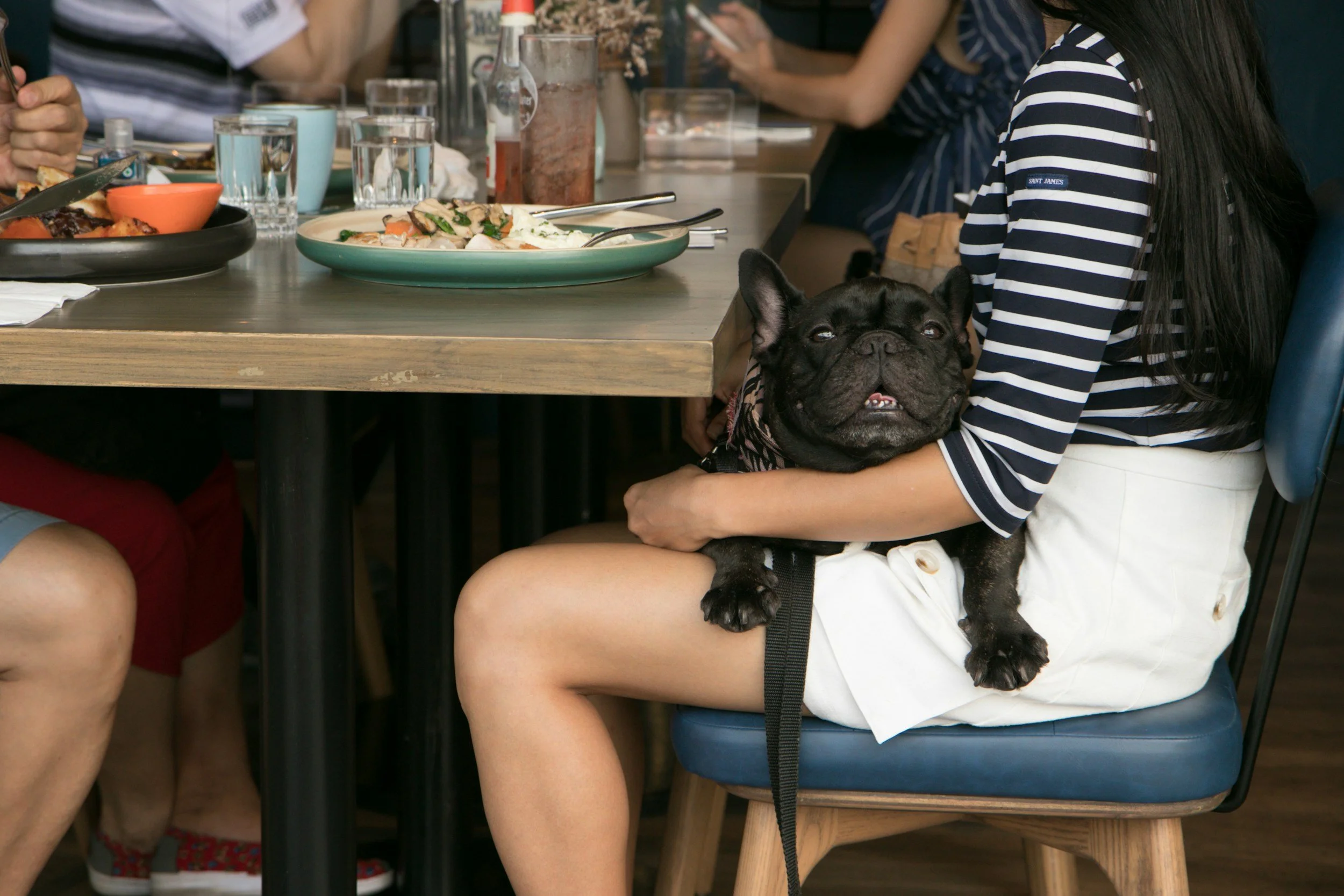
Dog-Friendly Parks & Trails in South Jersey
Long Bridge Park
Open space, wide trails, and plenty of room to create distance when you need it.
Great for dogs who are still learning how to be calm around distractions.
Training note:
If your dog struggles here, it’s usually not the environment—it’s the lack of structure. Start with loose leash walking and keep things simple before adding distractions.
Smithville Park
A mix of wooded trails and more populated areas, which makes it a great place to gradually increase difficulty as your dog improves.
Training note:
Don’t rush into the busy areas. Start where your dog can stay thoughtful, then slowly work your way in.
Wharton State Forest
Perfect for longer, quieter hikes. Ideal for building focus and decompressing higher-energy or anxious dogs.
Training note:
Use this space to reinforce engagement. Change directions often and reward your dog for choosing to stay with you.
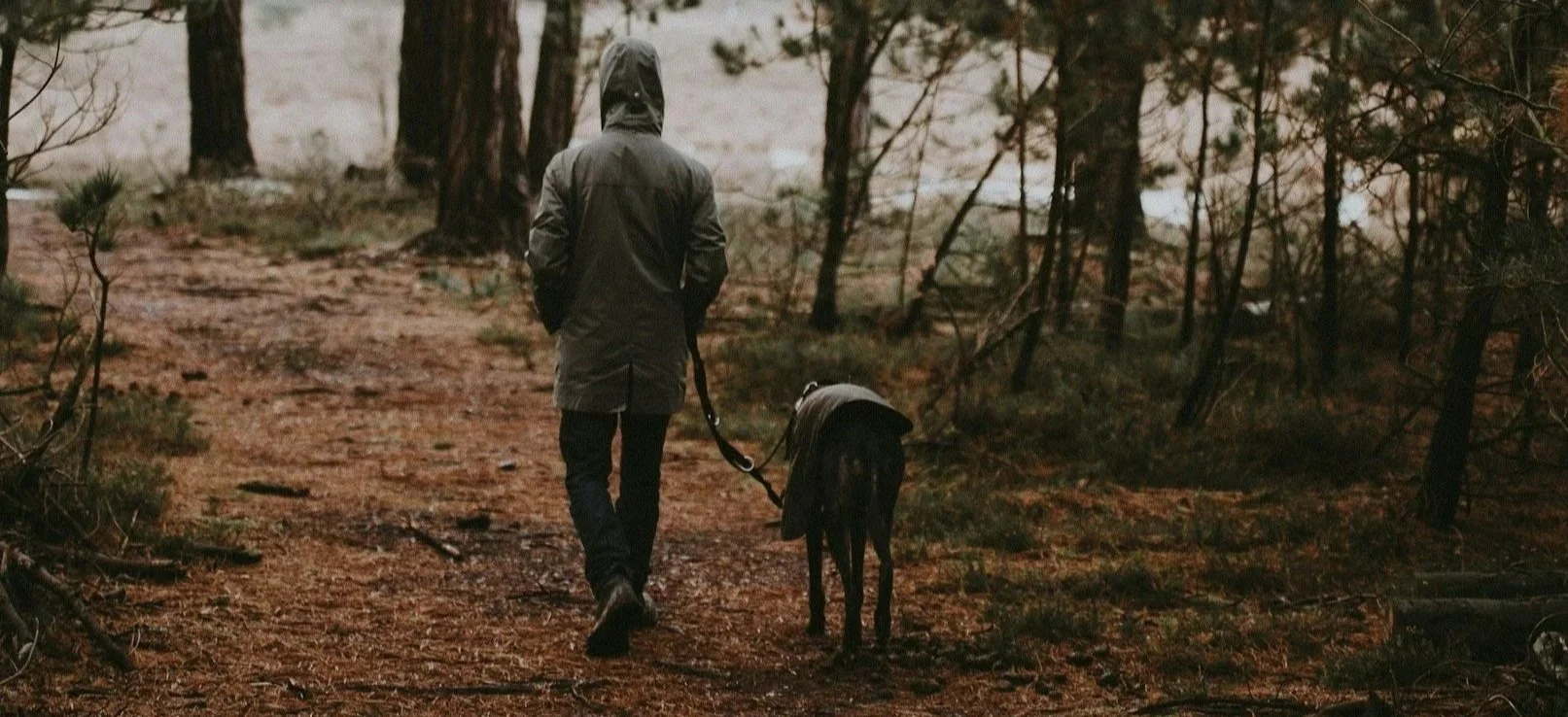
Dog-Friendly Breweries & Cafés
Village Idiot Brewing Company
A relaxed, dog-friendly brewery with outdoor seating. Good for practicing calm behavior in a real-world setting.
Training note:
Bring your dog when you don’t need them to be perfect. Sit at the edge, keep sessions short, and leave before things fall apart.
Train Wreck Distillery
A great local option with outdoor space where dogs are welcome. Slightly different vibe than a brewery, which can be helpful for generalizing calm behavior in new environments.
Training note:
Even small changes in environment matter to dogs. Treat this like a new experience, not “they’ve done this before.”
Zed’s Beer
Another great local spot with outdoor space for dogs. Slightly more stimulating depending on the crowd.
Training note:
This is where tethering or place work becomes valuable. Your goal isn’t interaction—it’s calm presence.
The Colonial Café
A more low-key café setting that can be a great starting point for dogs that aren’t quite ready for busier social environments.
Training note:
Lower energy environments are where you build the skills that carry over into busier ones. Don’t skip this step.
Tips for Bringing Your Dog Out Successfully
This is where most people get stuck.
It’s not about finding the perfect place—it’s about preparing your dog for the experience.
Start smaller than you think you need to
Your backyard or a quiet street is often a better starting point than a busy park.
Slow Things Down More Than You Think You Need To
One of the biggest changes you can make—starting today—is simply getting more patient with your dog in the in-between moments.
Before you put the leash on.
Before you walk out the door.
Before you open the car door.
Instead of rushing through those moments, pause and wait for your dog to settle—even just a little.
Most dogs are already in a heightened state before the outing even begins.
If we move forward while they’re excited, we’re just stacking more energy on top of it.
But when you take a few extra seconds (or minutes) and wait for a calmer mindset first, everything that follows gets easier.
No commands, no correcting—just quietly waiting.
It might feel slow at first, but this is one of those small habits that can completely change how your dog experiences the world.
Don’t make every outing a test
If you only go out when you “need it to go well,” you’ll both feel pressure.
Think of these as practice sessions, not performances.
Watch your dog, not the environment
Your dog’s body language tells you everything:
Relaxed and curious → keep going
Fixated or tense → create space
Overexcited → slow things down
Know when to leave
The best training happens when you end on a good note—not when you push too far
Want Your Dog to Be Easier to Take Places?
If your dog struggles in environments like these, you’re not alone—and you’re not stuck.
If you want hands-on help, check out my guided training options
If your dog needs a full reset, my Board & Train program can help fast-track progress
Or if you want to start at home, my self-paced training is a great place to begin
The goal isn’t perfection—it’s a dog you can actually live life with.
